The Seven Feminine Archetypes: A Journey into the Wild Within

Most of us are familiar with the terms inner child and inner critic, but what if there were other parts of ourselves, whole worlds within, waiting to be explored?
Maybe there’s parts of you that have been forgotten, qualities that have never had room to flourish, instincts you have learned to silence, and ways of being that feel just beyond your reach. Beneath the layers of conditioning, the expectations we have absorbed and the adaptations we've made to keep safe, there is a richness to our inner worlds that can be difficult to access through thinking alone.
At the heart of this community is a journey through seven feminine archetypes: the Child, the Mother, the Mystic, the Queen, the Creatrix, the Tantrika and the Wise Woman. Each opens a different doorway into our inner worlds, offering a way to explore the qualities, patterns and capacities that shape our experience of being alive.
These archetypes are not identities to adopt or ideals to live up to. They are invitations to encounter ourselves from different perspectives, to recognise what is already present within us, to meet the parts that have become hidden or neglected, and to explore the possibilities that emerge when we begin to cultivate a deeper relationship with ourselves.
We don’t approach them simply by reading about their qualities or learning what they represent. We'll enter their worlds through stories, art, ritual, the body, the imagination and our relationship with the living world around us. Sometimes, understanding ourselves requires more than an explanation. Sometimes we need an image, a story, a sensation, a moment of stillness or a creative act that allows us to encounter something we couldn't quite reach through words alone.
Seven Archetypes, Seven Doorways
Archetypes are universal patterns of human experience. We encounter them in mythology, psychology, spiritual traditions, our dreams, our relationships and the stories we tell about ourselves and the world.
The feminine archetypes offer a particular way of exploring the qualities and energies associated with our inner lives. Yet there is no single way to experience them. Each of us arrives with a different history, temperament, culture and set of relationships, all of which influence how these qualities find expression.
One woman might find it easy to nurture others but struggle to offer herself the same tenderness. Another might feel deeply connected to her creativity but have difficulty claiming her own authority. Someone else might have a rich inner world but find it difficult to trust what she senses or feels.
The archetypes give us a language for exploring these differences. They help us notice where certain qualities are alive and accessible, where they have become constrained, and where there may be possibilities we have yet to discover.
Rather than dividing women into types, the seven archetypes offer seven perspectives through which we can explore ourselves. Each is part of a wider landscape of human experience, and each woman will encounter that landscape in her own way.
Meeting the Light and the Shadow
Every archetype offers qualities that can enrich our lives, alongside shadow expressions that can emerge when our relationship with those qualities has been shaped by difficult experiences, unmet needs or patterns of disconnection.
The shadow is not something separate from us, nor is it a sign that we have failed to become who we should be. It can reveal where our capacities have become difficult to access, where we have learned to suppress aspects of ourselves or where we have developed ways of being that no longer support us.
Consider the Mother. She speaks to the capacity to nurture, to recognise our needs, to respond to our feelings with compassion and to experience a sense of connection with our bodies and the world around us.
But what happens when we have not experienced the nurturing we needed? We may learn to dismiss our feelings, minimise our needs, neglect ourselves or respond to our own vulnerability with criticism. Care might feel unfamiliar. Receiving might feel uncomfortable. We may know intellectually that we deserve compassion while finding it difficult to offer ourselves any.
The shadow of the Mother helps us recognise these patterns. It brings our attention to the places where nurturing has become difficult, where we have lost touch with our needs, or where the qualities of the Mother have not had sufficient room to develop.
What might it mean to meet the Mother through a guided visualisation? To write a letter to our inner Mother, paint an image of her, create a small ritual of care, or sit beneath a tree and reflect on the experience of being held by the natural world? What might emerge if we explored the Mother not only as a human figure, but as a cosmic source of life, nourishment and creation?
These are different ways of engaging with the archetype, allowing us to explore its meaning through imagination, sensation, creativity and lived experience.
We begin by noticing what arises, without judgment. We become curious about our responses rather than rushing to correct them. And we explore how the qualities represented by the archetype might become more accessible in our lives.
The shadow helps us see where we are struggling. The light offers qualities we can begin to cultivate.
Entering the World of the Archetypes
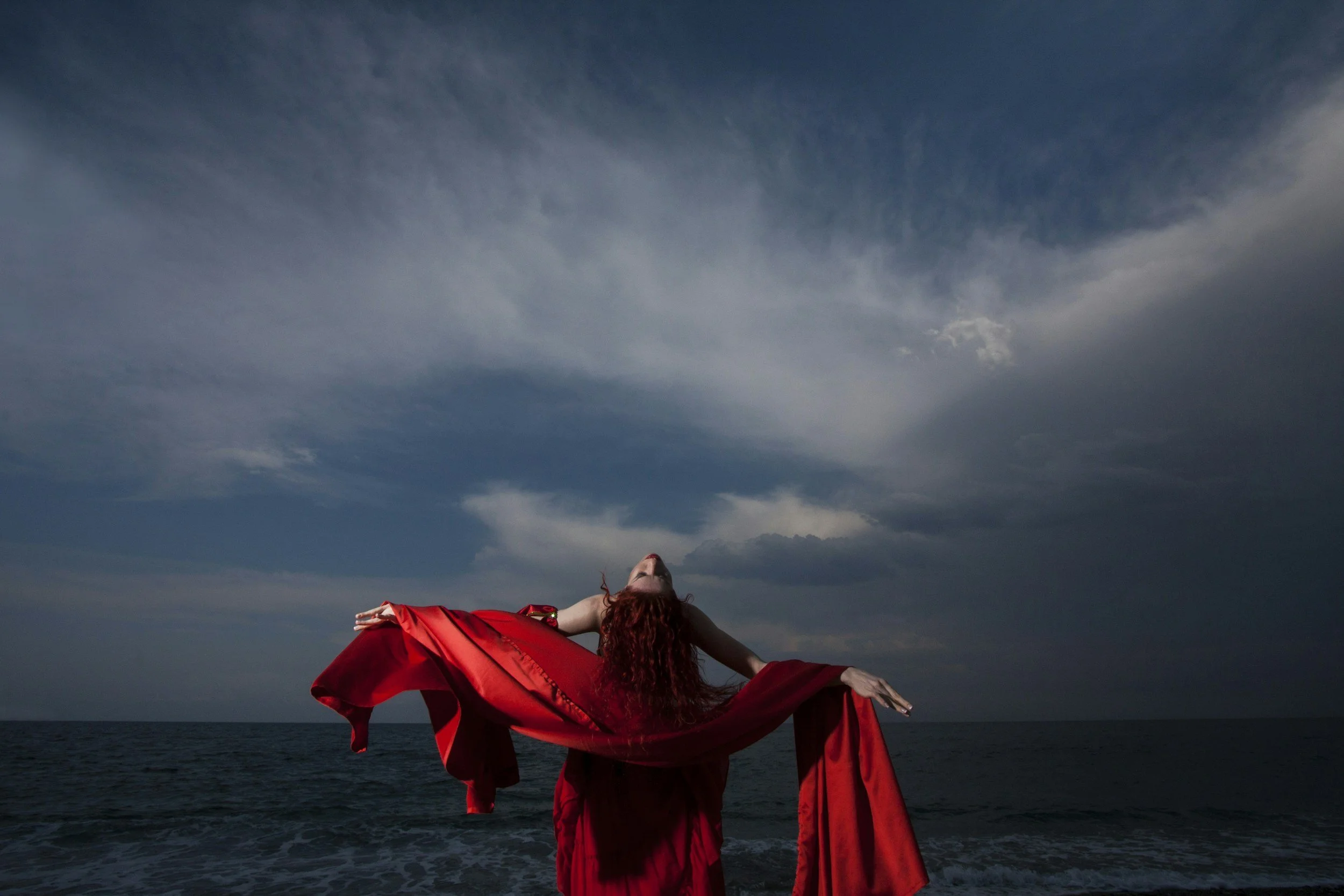
Harnessing the Power of the Intuitive self
Each archetype carries its own atmosphere, symbolism and possibilities for exploration. Our work is about finding ways to enter that world and discover what it has to show us.
Stories and mythology bring the archetypes to life through characters, journeys, symbols and encounters. We might explore a goddess, a fairy-tale figure, a mythic heroine or a character whose story reveals something about our own. These stories can become mirrors, offering new perspectives on familiar experiences and opening our imagination to possibilities beyond what we already know.
Art and creative expression give us ways to explore what might be difficult to articulate. We might draw an archetype, create a symbolic object, work with colour and texture, write poetry or allow an image to emerge without needing to explain it. Creativity becomes a way of making contact with our inner worlds, giving shape to what we sense, feel or imagine.
Journaling and reflection allow us to follow the threads that emerge. Through writing, we can explore our experiences of an archetype, recognise recurring patterns, question familiar assumptions and notice what feels alive or difficult within us. We can write to an archetype, imagine a conversation with it or explore the relationship between its qualities and our everyday lives.
The body and breath offer another way into the work. Through embodied awareness, gentle bodywork and breathwork practices, we can bring attention to sensation, movement, emotion and the ways we inhabit ourselves. Rather than approaching everything as a problem to solve intellectually, we make room to notice our lived experience and explore our relationship with it.
Music, movement and ritual invite us into a different quality of attention. Music can evoke feeling, movement can give expression to what has been held inside, and ritual can create a meaningful space in which to engage with an archetype. These practices need not be elaborate. Sometimes a simple gesture, a song, a candle, an offering or a moment of intentional stillness can become a way of marking our relationship with something meaningful.
Goddesses, nature and the cosmos open the work beyond the personal and into the symbolic world. We can explore the qualities of an archetype through goddess figures, the changing seasons, the elements, the moon, the stars, the sea, the forests and the rhythms of the natural world. These become sources of imagery, inspiration and questions, offering different doors into the exploration.
A river, for example, might evoke the movement of life force; the moon might offer a way to contemplate cycles, hiddenness and illumination; a seed might become an image for the potential held within something that has not yet emerged. A goddess or mythic figure might embody a quality we recognise, long for or struggle to reconcile within ourselves.
We don't need to arrive at a single interpretation. The invitation is to engage, pay attention and discover what meaning unfolds through the encounter.
Together, these practices create a space in which we can explore the archetypes through more than one route. We can think, feel, imagine, create, move, reflect and engage with the world around us. Each offers a different way of approaching the same essential question: what becomes possible when we develop a deeper relationship with ourselves?
The Seven Archetypes
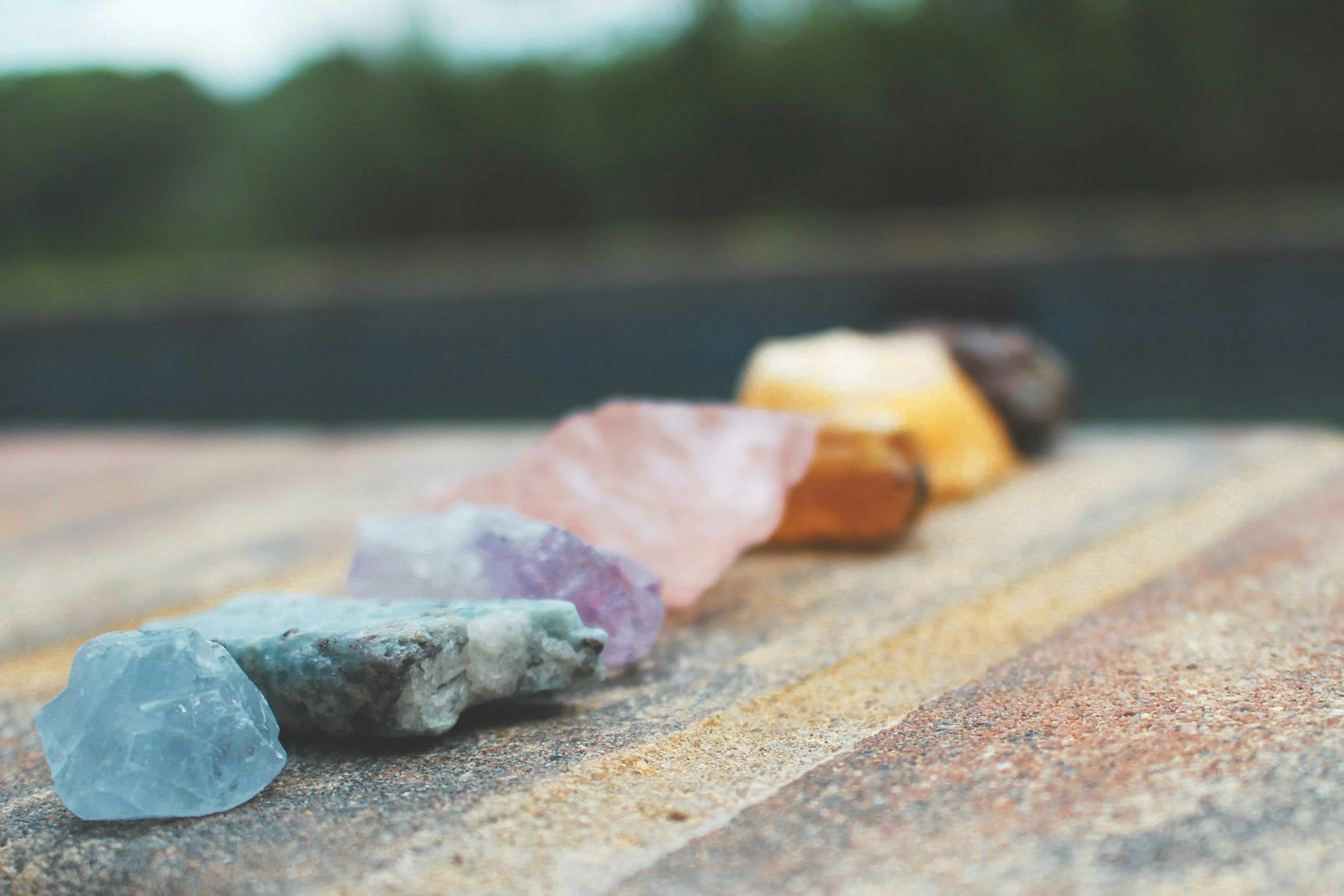
The 7 Archetypes and the Energy Centres of the body.
Our journey through The Wild Within follows seven archetypes, each offering a distinct territory to explore.
The Child — Safety, Belonging and Original Nature
We begin with the Child, returning to our relationship with being alive.
The Child invites us to explore our earliest sense of safety and belonging, our relationship with the body, and the qualities of our original nature that may have been shaped or obscured as we learned to navigate the world.
Through the Child, we can explore innocence, curiosity, spontaneity, vulnerability and play, alongside the experiences that have made it difficult to feel safe enough to express ourselves freely. We might work with fairy tales, childhood imagery, creative play, embodied awareness or the natural world as a source of inspiration.
What parts of ourselves have we learned to hide? What helps us feel at home in our bodies? What might we rediscover if we made room for curiosity and play?
The Mother — Nurturing, Compassion and Connection
The Mother opens an exploration of nourishment, care, attunement and our relationship with our own needs and feelings.
She brings together the deeply personal experience of being nurtured, and learning to nurture ourselves, with the wider symbolism of the cosmic Mother as a source of life and creation. We can explore both the wounds that make nurturing difficult and the qualities we want to cultivate.
Through visualisation, ritual, journaling, art and our relationship with nature, we can explore what it means to experience the Mother as an inner resource, a symbolic presence and a way of relating to ourselves and the world.
Where have we become disconnected from our needs? What does genuine self-compassion feel like? How might our relationship with ourselves change as we cultivate the capacity to nurture?
The Intuitive — Inner Worlds and Embodied Knowing
The Intuitive invites us into the territory of inner experience and the unseen dimensions of life.
She offers a way to explore our relationship with what we sense, feel and know beyond the purely intellectual, while remaining connected to our bodies and the world we inhabit.
Through mythology, visualisation, journaling, symbolic exploration and the imagery of the moon, storms and the wider cosmos, we can investigate the richness of our inner worlds. We can also explore the shadow expressions that arise when we become disconnected from embodiment or struggle to distinguish inner knowing from our own interpretations and assumptions.
What does it mean to trust our experience while remaining curious about it? How do we relate to the mysteries of our inner lives without losing our grounding in the world around us?
The Leader — Sovereignty, Authority and Personal Power
The Leader brings us into relationship with our own authority.
She invites us to explore what it means to inhabit our lives, recognise our agency and take up space without needing to diminish ourselves or dominate others. Her territory includes sovereignty, self-possession, responsibility and our relationship with power.
Through stories of queens and sovereign figures, creative exploration, reflection and embodied practices, we can examine how we express our authority, where we relinquish it and what shapes our sense of what we're entitled to claim.
Where do we struggle to take ourselves seriously? What happens when we begin to recognise our own authority? How might we inhabit our lives with greater presence and self-possession?
The Creator — Imagination, Creation and Expression
The Creator invites us into the movement from inner possibility to outward expression.
She represents our capacity to imagine, create and bring something into being. This might be expressed through art, writing, movement, relationships, projects or the many ways we shape our lives and contribute to the world.
Working with the Creatrix offers an opportunity to explore our relationship with creativity itself: the desire to make something, the fear of being seen, the freedom of experimentation and the patterns that can prevent us from giving expression to what lives within us.
Through creative practice, ritual, storytelling and reflection, we can explore what wants to emerge and what happens when we allow ourselves to participate in the process of creation.
What are we longing to express? What inhibits our creativity? What might happen if we approached creation as an exploration rather than a test of our worth?
The Lover — Shakti, Vitality and Life Force
The Lover brings us into relationship with Shakti, the living force that animates existence.
Her territory includes sexuality, vitality, desire, pleasure and the dynamic energies that move through our bodies and our lives. She invites us to explore our relationship with the forces that animate us, the experiences that enliven us and the ways we relate to our own embodied nature.
Through movement, music, breathwork, ritual, symbolic exploration and reflection, we can investigate our relationship with vitality and the different ways life force is expressed, constrained or experienced.
What allows us to feel alive? Where have we become disconnected from our vitality? How do we relate to desire, pleasure and the movement of energy within us?
The Lover offers a way to explore these questions through direct experience as well as reflection, bringing attention to the relationship between our inner lives and the vitality we express in the world.
The Sage — Wisdom, Discernment and Depth
We arrive at the Sage, whose territory is wisdom, discernment and our relationship with the deeper meanings of experience.
She invites us to explore how we make sense of our lives, how we distinguish what feels true from what merely feels familiar, and how we develop a perspective that can hold complexity without rushing to simple answers.
Through stories of wise women, mythology, nature, journaling and reflective practices, we can explore our relationship with knowledge, intuition, uncertainty and the wisdom that may emerge through lived experience.
What have our experiences taught us? What do we understand now that we couldn't see before? How might we meet ourselves and the world with greater depth, perspective and discernment?
The Sage offers space to reflect on the journey as a whole, while opening further possibilities for exploration.
A Month in Each Archetype
We'll spend a month with each archetype, giving ourselves time to explore its different dimensions rather than rushing through a collection of concepts. You can join the group at any time and engage with the archetype that we’re currently working through. All previous journey’s will be available in the resources section.
Each month will offer a shared theme for our community, with opportunities to engage through creative practices, reflection, embodiment, storytelling, ritual and symbolic exploration. We'll return to the archetype in different ways, allowing its qualities and questions to accompany us into our everyday lives.
The journey is not about achieving a perfected version of ourselves. It is about developing a richer relationship with the many dimensions of our inner lives, recognising our patterns without judgment and exploring the qualities we want to embody and express.
Over time, we may discover that the archetypes begin to accompany us beyond the community itself. We might recognise the Mother in the way we respond to our needs, the Queen in a moment when we claim our authority, the Creatrix when we allow ourselves to make something new, or the Child when we find ourselves unexpectedly absorbed in play.
The archetypes become reference points for an ongoing exploration of who we are and how we live.
Entering The Wild Within
I created The Wild Within as a space for this kind of exploration: a place to engage with our inner worlds through embodiment, creativity, symbolism and the rich imaginative traditions that help us make sense of being human.
There is so much to discover when we allow ourselves to approach our inner lives from different directions. We can learn from our shadows without defining ourselves by them. We can explore qualities that feel unfamiliar without needing to become someone else. We can draw inspiration from stories, goddesses, the natural world and the cosmos, allowing them to open questions and possibilities that might otherwise remain unexplored.
We don't have to know in advance what we'll find. We don't have to arrive with everything figured out.
We can begin with curiosity, a willingness to pay attention, and space to explore what it means to be ourselves.